APLASTIC ANEMIA AND OMID'S MISSION FOUNDATION, Inc.
YOUR MISSION IS OUR MISSION
YOUR MISSION IS OUR MISSION

How We're Different
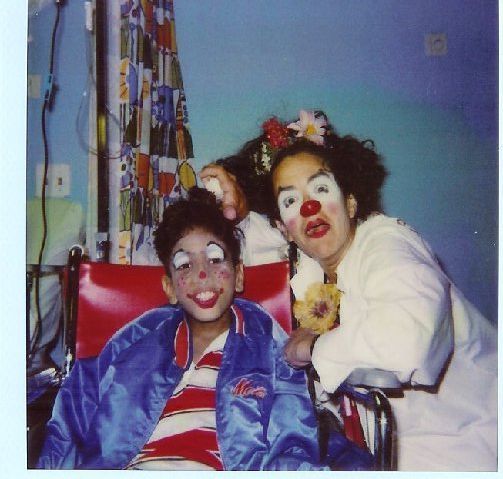
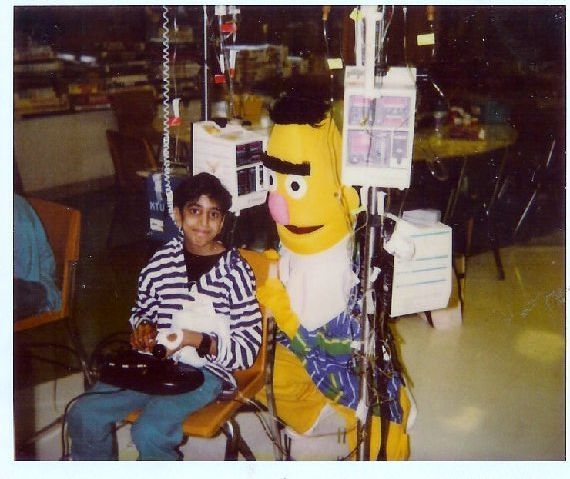
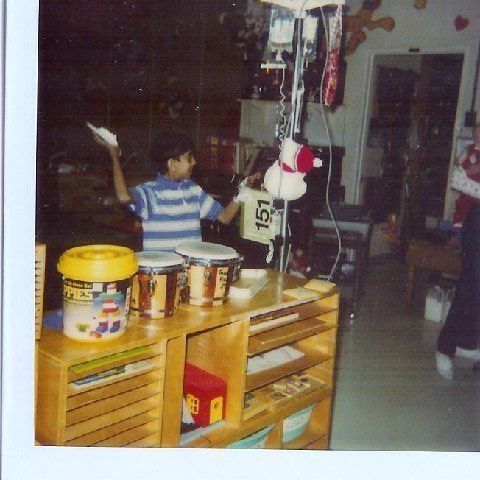
Please watch Victoria Yousefi's true story about her young son Omid who was diagnosed with aplastic anemia. Her book "Omid's Mission"-A Tribute To My Son is a touching and inspiring love story. Omid was a boy who was filled with hope, love and optimism.
The Balancing Act-LifeTime Televsion Segment.
Let people know you're real. Tell them about the people who work for you. Tell them about your company's work enviornment.
The Balancing Act-LifeTime Televsion Segment.
Let people know you're real. Tell them about the people who work for you. Tell them about your company's work enviornment.
Tell a little bit about your company. Where did you get your original idea? How did you get started?
Let people know you're real. Tell them about the people who work for you. Tell them about your company's work enviornment.
Let people know you're real. Tell them about the people who work for you. Tell them about your company's work enviornment.
Tell a little bit about how you are different from your competition. What makes you better?
Your Products
Aplastic Anemia And Omid's Mission Foundation, Inc.
Please Donate at www.omidsmission.com
Please Donate at www.omidsmission.com
This is dedicated to a very special boy who came to this world to start his mission.
His mission didn't end, it's just starting now with your generous support.Omid was diagnosed with aplastic anemia at the young age of nine. During his treatment and having a bone marrow transplant, he had devine wisdom and he knowingly, and courageously sacrificed his life to the Researchers and Doctors in NYC Sloan-Kettering Cancer Hospital.
He donated his life for the doctors to help to one day find a cure. Omid was a true hero. He was admired and loved by the entire medical staff. He was optimistic, had faith, love and hope. "Omid" means "hope" and his whole spirit was filled with hope. I was so blessed to have a son like Omid.
OMID'S SPECIAL POEM HE HAD WRITTEN
Definition
Aplastic anemia is a rare, non-contagious and often life-threatening disorder that results from the unexplained failure of the bone marrow to produce red blood cells, white blood cells and platelets. A decrease in the production of blood cells means that patients are more susceptible to bleeding, fatigue and infections.
Incidence
Aplastic anemia affects two to six people per million worldwide. The disease is more prevalent in Asia than in the Western world. Most cases occur in older adults, but a significant number of children are affected.
Influencing Factors
The cause of the disease in an individual patient is usually unknown, although the disease has been linked to environmental toxins such as benzene derivatives, some drugs, pesticides and chemicals.
Aplastic anemia can be caused by a virus in some individuals.
There is evidence that parts of the immune system play a role in the disease process.
Treatment Strategies
Patients with severe aplastic anemia require immediate hospital treatment.
Initial treatment often includes blood and platelet transfusions and intravenous antibiotics.
Bone marrow transplantation is recommended for patients who are good candidates and who have matched donors. Most young patients who have matched donors are successfully treated by bone marrow transplantation.
Drug therapy, which suppresses the immune system, is another treatment choice that is very successful.
Current Research
St. Jude is preparing for a study for patients without a matched donor and in whom drug therapy was only partially successful. Investigators are planning to use a therapy that modifies the immune system in a different way than drug therapy. This therapy is expected to interrupt the disease process and allow the bone marrow to recover and produce blood cells again.
St. Jude is also developing a new bone marrow transplant regimen for patients who do not have a matched sibling donor and who do not respond to the drug therapy.
The St. Jude Web site is designed for educational purposes only and is not engaged in rendering medical advice or professional services. The information provided through this site should not be used for diagnosing or treating a health problem or a disease. It is not a substitute for professional care. If you have or suspect you may have a health problem, you should consult your health care provider.
"FAITH"
Without faith
nothing is possible;
with it, nothing
is impossible.
Without faith
nothing is possible;
with it, nothing
is impossible.